
Alternative links: Internet Archive | PeerTube
PeaceTech in Practice: What Are We Learning?
At The PeaceTech We Want Online Summit (19 October 2026), peacebuilders, technologists, researchers and policymakers explored how to bring the open movement closer to those working on peacebuilding and conflict mediation.
The demo session opened with Andreas Papp presenting PeaceEye. He described a bottom-up assessment in Ogun State, Nigeria. The proposed app would show which fields are available and when, support agreements on access and payment, guide herders along safer routes, and use GPS trackers to monitor cattle; a local university, FUNA, would help train and roll out the solution. He stressed that both sides said he was the first outsider to ask what they needed, but that this bottom-up approach has struggled to attract conventional financing.
Astrid Holzinger presented a global survey of 211 peacebuilding practitioners. The survey found that technology is already integral to peacebuilding, with 38% using it “very much” or “much” and only 1.8% not at all. While 95% believe technology can support peacebuilding, 70% say tech experts do not understand peacebuilders’ needs. Low digital skills were the top barrier, ahead of connectivity and cost.
Benjamin Cerigo then presented Phoenix, Build Up’s social media analysis platform for ethical participatory listening. It addresses data access, cross-platform volume, and language gaps; it has been used in Sudan for monthly impact reporting and conflict-driver analysis and in Kenya for peaceful-election monitoring and rapid response with local CSOs.
Ireland Twiggs presented Cooperation Ireland’s Voice Matters. It aims to bring communities affected by paramilitary violence and left behind by the peace process back into civic trust, using a skills-first model that teaches dialogue, healthy disagreement, unconscious bias, and listening. The tool provided real-time transcription, cross-table synthesis, live argument mapping, fact-checking, sentiment analysis, and image generation for participants with low literacy or for whom English was not a first language.
Michele Giovanardi presented CMI’s AI-supported WhatsApp consultation tool, designed to include voices excluded by risky convening, in-person hierarchies, and low-response surveys. AI transcribes and translates voice messages, follows up on unclear or short answers, and a web dashboard lets colleagues edit, monitor progress, send reminders, and test in a simulated environment. The tool is multi-language and locally adapted, keeps voice messages only long enough for human checking.
Speakers & Projects
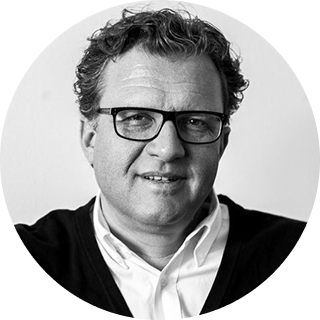
Andreas Papp – PeaceHumanitarian practitioner, lecturer, and consultant
PeaceEye Project
Helps nomadic herders and farmers access safe, geo-fenced farmlands with available grazing areas for livestock.

Astrid Holzinger – Senior Project Manager and PeaceTech Lead at the Austrian Centre for Peace
Voices From the Field
An AI tool that turns peacebuilders’ perspectives into accessible knowledge to support more inclusive and effective PeaceTech solutions.

Benjamin Cerigo – Peace Tech Architect at Build Up
Phoenix Project
Phoenix is an open-source, non-commercial platform that lets peacebuilders and mediators run ethical, participatory social media listening to inform their conflict transformation work.

Ireland Twiggs – Programme Manager at Co-operation Ireland
Voice Matters
Equips communities with the skills, confidence and capacity to engage more fully in democracy and use dialogue as a first response to difficult or divisive issues.

Michele Giovanardi – Advisor, Digital Peacemaking, CMI – Martti Ahtisaari Peace Foundation
AI-supported WhatsApp Consultation
Allows peacemakers to consult people at scale through an app they already use.
Below, the slide presentation used during the keynote is available for download.
➕ Find a summary of more panels and keynotes
💬 Join the conversation in the Open Knowledge Forum

